Exploring and passing on the rich history of camping in the United States and internationally
Building and exhibiting the definitive collection of historical camping artifacts from the earliest to the most modern
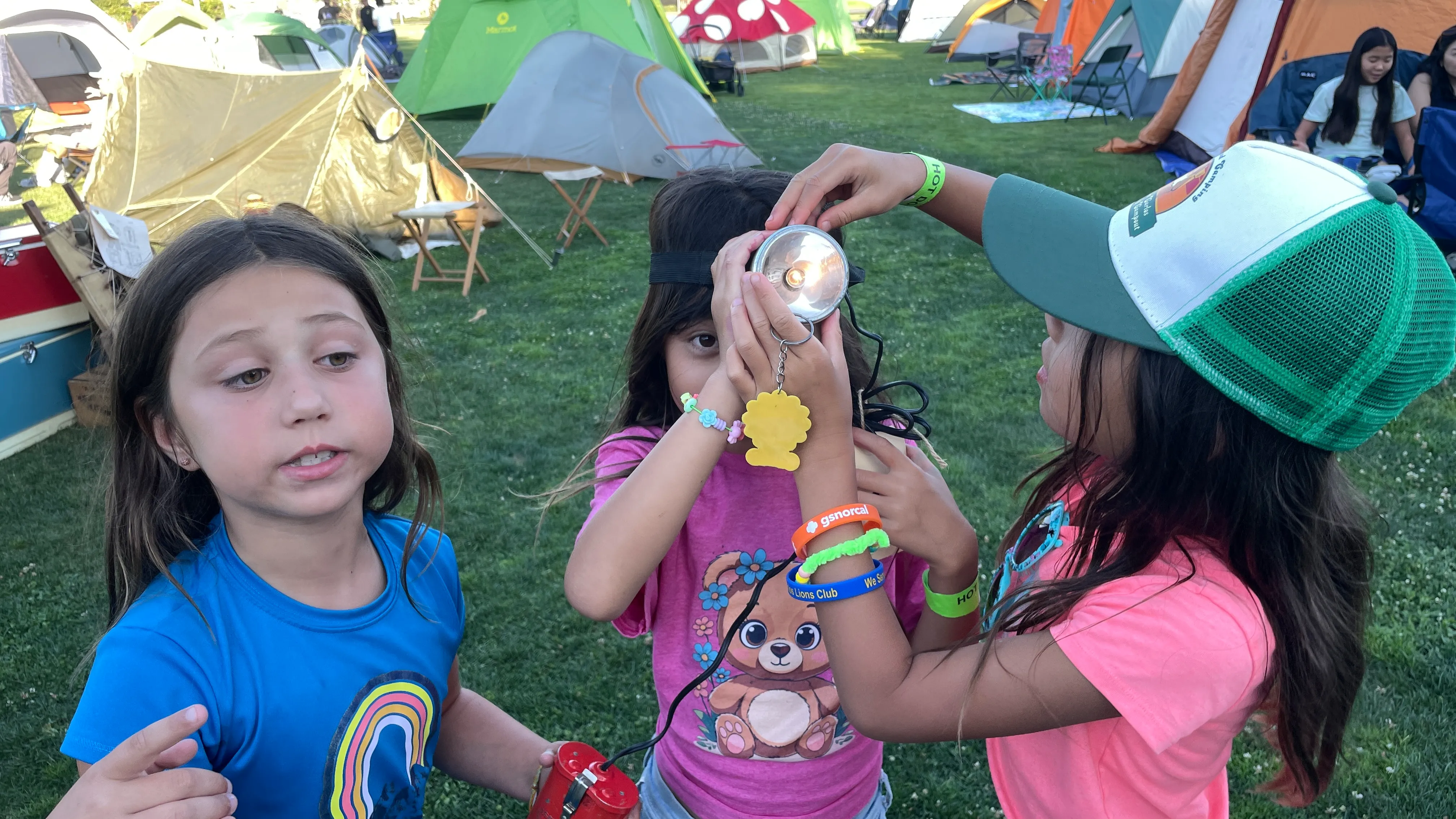
Providing hands-on education and sponsored camping experiences to promote proficiency, appreciation, and responsible use
Becoming a vital community third space to celebrate and preserve the timeless traditions enjoyed by tens of millions of Americans and countless others worldwide
Camping is the second most common outdoor activity in America, with an estimated 85 million participants annually. Other activities such as surfing, skiing, golf, and major sports have dedicated and well-funded museums and halls of fame – sometimes multiples – with comparatively smaller followings. Despite camping’s rich history and centrality to the American experience, no anchor cultural institution existed.
A central piece of cultural and political history needs preservation, discussion, exhibition, and promotion. We are at risk of losing this vital connection to our past as older generations pass on. Camping is one of the original equalizers with potential to transcend political and economic differences.
A cultural institution with integrity must be willing to reckon fully and honestly with an uncomfortable history. Camping has been at times classist, racist, sexist, rapacious, culturally appropriative, and environmentally harmful and consumptive. We need to acknowledge and confront these realities for nature visitation to have a vibrant future that welcomes all participants.
The mental and physical health consequences of our distractive, tech-heavy lifestyles mirror the earliest rationales for going camping dating back to the mid-19th century. At that time, urbanization and industrialization were the primary concerns. We now find ourselves at a similar moment, but for different reasons. Depression, anxiety, isolation, and loneliness are at epidemic levels. Experts agree that nature is part of the fix.
Public lands are at serious risk from overuse and misuse just when they are needed the most. The pandemic spurred a wave of new visitors to trails and campgrounds. Front-country and backcountry alike are under intense pressure from many untrained visitors. Responsible use must be taught to a much broader community.
There is a gap in the outdoor conservation and recreation landscape that has a lot of outdoor retailers and environmental advocates, but no non-commercial, apolitical anchor historical preservation institution.
And you probably do too.
But this goes without saying.
A museum collection that is eventually complete, accurate, and represents a range of perspectives; taken to its audience
Browse the sample collection →Hands-on trainings and educational programs to promote proficiency, appreciation, and responsible use
View our educational programs →Sponsored camping outings and gatherings that bring the museum’s mission into context
View our outings and events →Working alongside national organizations, community groups, and businesses
Contact us to partner →The Museum of Camping welcomes your input and financial support. Please make a tax-deductible donation to advance our mission. The museum is a registered 501(c)(3) non-profit organization, EIN 42-2528058. Any questions or suggestions, please email info@museumofcamping.org.